Metal Foundry topics placed in a well-written article
Wiki Article
Discover the Role of Metal Shops in Modern Production Processes
Metal factories are integral to the manufacturing landscape, converting resources into vital parts for different fields. Their sophisticated methods, consisting of 3D printing and CAD, allow the development of facility get rid of marginal waste. Furthermore, shops are significantly embracing sustainable techniques to improve their environmental footprint. Comprehending the complete scope of these procedures reveals their substantial impact on sectors such as vehicle and aerospace, motivating a more detailed assessment of their advancing duty in modern production.The Important Features of Steel Shops
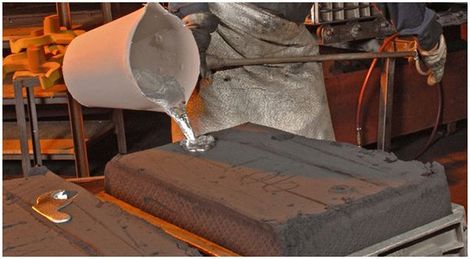
Metal factories play a crucial role in the manufacturing field by transforming resources right into useful steel items via numerous procedures (Metal Foundry). These centers are essential for generating parts utilized in various sectors, consisting of vehicle, aerospace, and building and construction. Foundries mainly focus on melting steel alloys and pouring them right into mold and mildews to develop particular shapes, a process referred to as spreading
Additionally, foundries offer specialized solutions, such as warm treatment, which enhances the mechanical buildings of steel products. By facilitating these necessary features, metal foundries add substantially to the total effectiveness and innovation within the manufacturing landscape, making it possible for the manufacturing of a wide variety of steel goods.
Advanced Technologies in Metal Spreading
As the manufacturing industry develops, advanced innovations in steel spreading are reshaping the landscape of manufacturing. Innovations such as 3D printing and computer-aided style (CAD) have actually substantially improved the effectiveness and accuracy of casting processes. These technologies enable factories to generate intricate geometries that were impossible or formerly hard to attain, therefore reducing product waste and improving overall high quality.Additionally, automation and robotics have structured procedures, reducing manual labor while increasing production speed. Integrating sophisticated simulation software application permits foundries to maximize casting styles and forecast possible problems before manufacturing, better improving reliability.
The introduction of clever production systems, integrating the Internet of Things (IoT), helps with real-time monitoring of procedures, making certain better control over production specifications. These technical improvements not only drive cost-effectiveness but additionally position metal shops at the leading edge of modern production, enabling them to fulfill the advancing demands of numerous sectors.
Sustainability Practices in Foundries
While the production market faces raising stress to embrace ecologically responsible methods, factories are proactively executing sustainability measures to decrease their ecological impact. Lots of factories have embraced recycling initiatives, using scrap steel and other products to minimize waste and save resources. Advanced innovations, such as energy-efficient heaters and automated procedures, even more enhance their dedication to sustainability.Shops are additionally focusing on minimizing exhausts and enhancing air quality by taking on cleaner production techniques. The use of ecologically friendly binders and coverings has gotten traction, lowering harmful byproducts in the spreading process. In addition, water preservation steps are being executed, with closed-loop systems lowering freshwater consumption and wastewater discharge.
The Impact of Factories on Various Industries
Frequently ignored, factories play a crucial duty in supplying important elements throughout a diverse array of markets. These centers are crucial in creating metal castings made use of in automotive, construction, aerospace, and equipment industries. In the automobile sector, factories provide engine blocks, transmission cases, and other crucial parts, making sure automobiles operate successfully. Aerospace depends heavily on precision-cast parts that fulfill strict security requirements, while building firms depend upon resilient and solid metal items for framework jobs.
Foundries add to the power industry by making elements for power generation equipment, consisting of turbines and generators. Their convenience prolongs to durable goods, where cast metal parts enhance item functionality and sturdiness. By sustaining different markets, factories not only strengthen manufacturing abilities yet likewise drive development and technological innovations, stressing their considerable effect on the global economic climate.
Future Fads in Metal Shop Operations
Emerging technologies and developing market demands are shaping the future landscape of metal factory procedures. Automation and robotics are progressively being incorporated to enhance efficiency and decrease labor expenses. Smart foundries are leveraging information analytics and the Web of Points (IoT) to check manufacturing processes in real-time, promoting anticipating upkeep and minimizing downtime.Sustainability is likewise coming to a fantastic read be a focal factor, with foundries taking on greener techniques by decreasing and recycling materials energy consumption. Advanced materials, such as light-weight alloys and compounds, are gaining traction, driven by industries like aerospace and auto looking for improved performance.
Additive production is arising as a corresponding modern technology, making it possible for the manufacturing of intricate geometries that typical methods can not accomplish. As digitalization advances, metal foundries are anticipated to take on more flexible manufacturing systems, permitting for personalized, on-demand manufacturing remedies. These patterns suggest a transformative shift, placing metal foundries for a dynamic future in manufacturing.
Often Asked Concerns
What Materials Are Generally Utilized in Steel Factories?
Steel foundries generally make use of products such as iron, light weight aluminum, bronze, brass, and various alloys. These materials are chosen for their one-of-a-kind buildings, allowing the manufacturing of diverse parts tailored for certain applications in numerous markets.Just How Do Foundries Make Certain Top Quality Control in Production?
Foundries apply stringent quality control actions, including product assessments, process surveillance, and screening of ended up items. They utilize sophisticated innovations and standards to guarantee adherence, consistency, and reliability to requirements throughout the production procedure.What Security Actions Are Applied in Metal Shops?
Steel foundries carry out safety and security procedures such as personal safety devices, air flow systems, normal safety and security training, and emergency methods. These techniques aim to minimize threats related to high temperatures, harmful fumes, and hefty machinery operations.For how long Does the Steel Casting Process Generally Take?
The steel spreading procedure normally takes numerous hours to days, relying on elements such as the complexity of the style, sort of steel made use of, and cooling down times required for the certain spreading approach employed.What Are the Occupation Opportunities in Steel Foundries?
Career chances in steel factories consist of duties such as factory service technicians, metallurgists, high quality control assessors, maker drivers, and production managers - Aluminum Foundry. These positions provide varied courses in manufacturing, design, and proficient trades within the sectorMetal shops are integral to the production landscape, transforming raw materials right into essential elements for various sectors. Steel foundries play an essential duty in the manufacturing sector by changing raw products right into usable steel products with different processes. In addition to spreading, metal factories additionally engage in procedures such as machining, where excess product is eliminated to accomplish accurate specs. As digitalization advances, steel shops are anticipated to embrace more versatile manufacturing systems, try these out enabling for personalized, on-demand manufacturing solutions. Career chances in steel shops include duties such as shop go to the website specialists, metallurgists, quality control inspectors, machine drivers, and manufacturing supervisors.
Report this wiki page